Durable Siding Installation for Enhanced Exterior Defense
Siding installation is a critical component of building exterior maintenance, providing both aesthetic appeal and protection against weather elements. According to industry reports, approximately 75% of residential buildings undergo siding upgrades or replacements within a decade, highlighting its importance. Proper siding enhances energy efficiency, reduces maintenance costs, and increases property value. The process involves careful surface preparation, material selection, and precise installation techniques to ensure durability and visual appeal. Skilled installers can work with various siding materials, including vinyl, fiber cement, and wood, to meet specific architectural styles. Choosing professional siding installation can extend the lifespan of the exterior and prevent costly repairs over time. This service is essential for maintaining the structural integrity and appearance of residential and commercial properties alike.
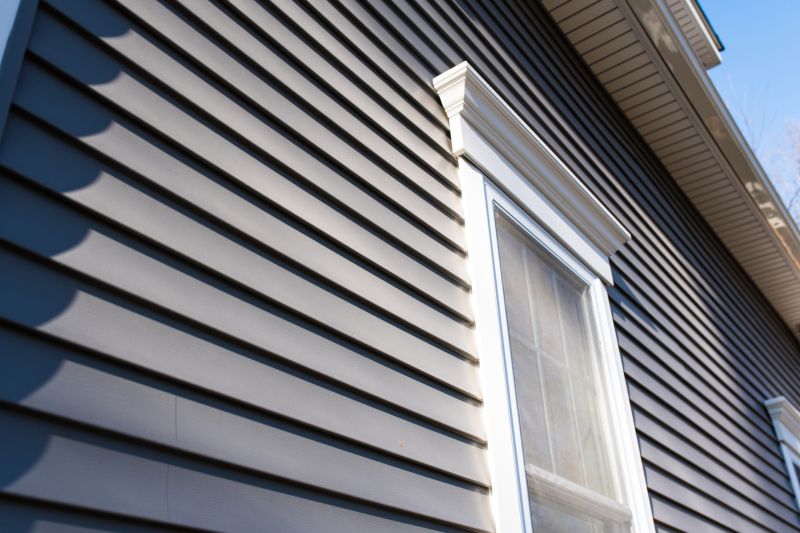
Vinyl siding offers a low-maintenance, cost-effective option that provides a wide range of colors and styles.
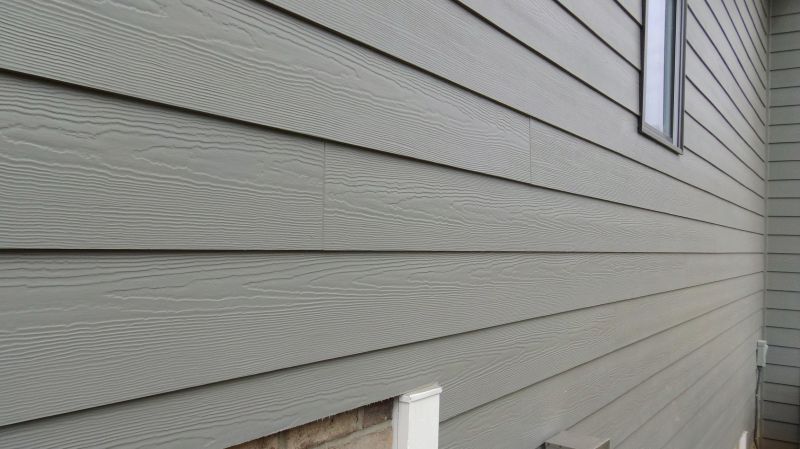
Fiber cement siding is known for its durability and resistance to pests, making it suitable for various climates.
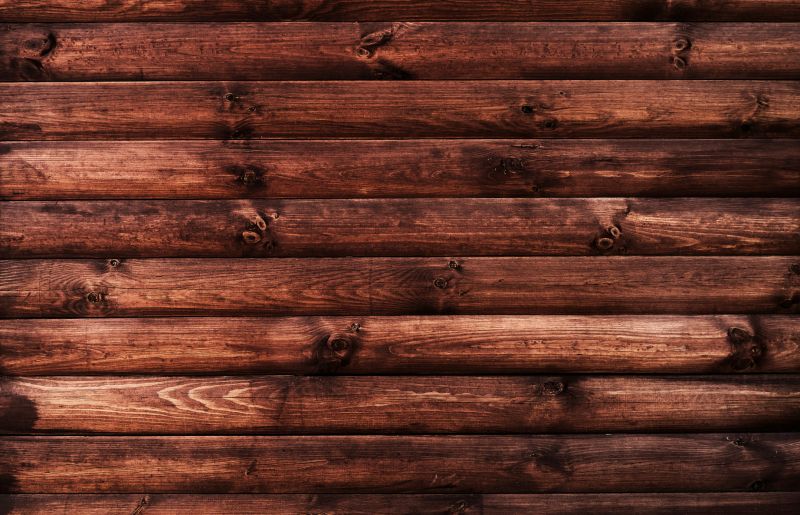
Wood siding provides a natural, classic look with customizable finishes, requiring proper sealing and upkeep.
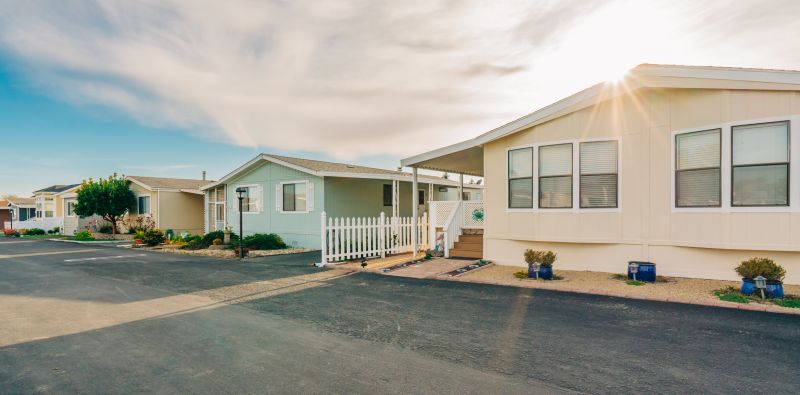
Insulated siding enhances energy efficiency and adds extra protection against temperature fluctuations.
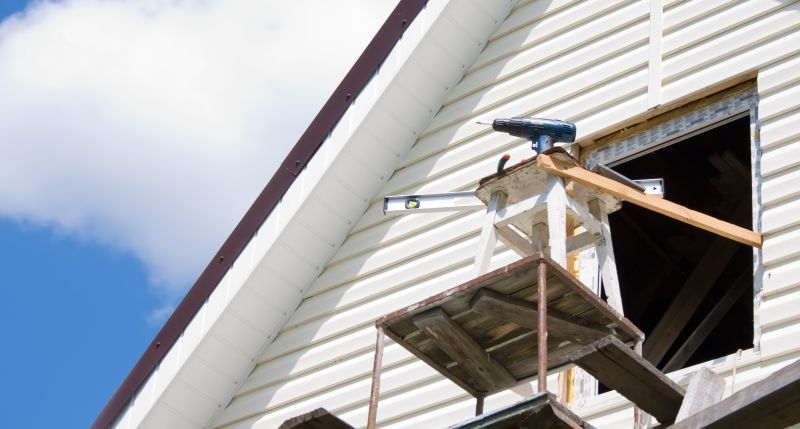
Vertical siding installations create a distinctive appearance and can accentuate architectural features.
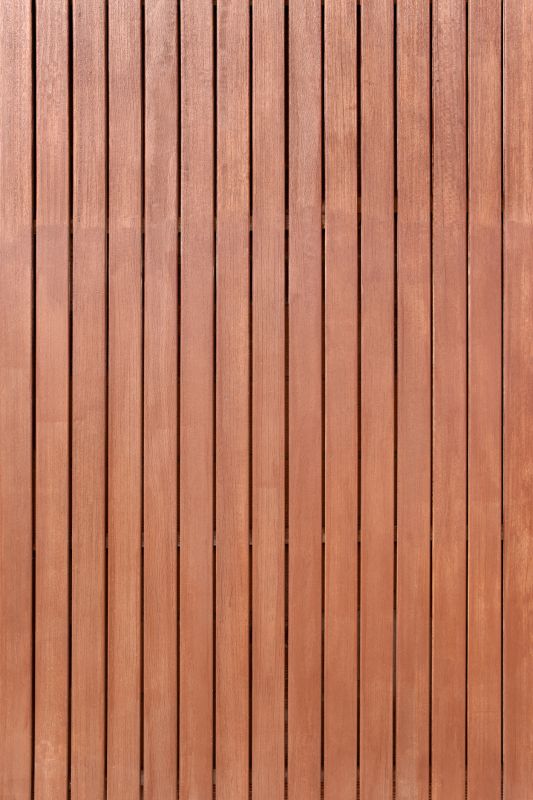
Horizontal siding remains a popular choice for its traditional look and ease of installation.
| Siding Type | Description |
|---|---|
| Vinyl Siding | A versatile, affordable option that mimics the appearance of wood with minimal maintenance. |
| Fiber Cement Siding | A durable material resistant to pests, fire, and weather, suitable for various architectural styles. |
| Wood Siding | Provides a natural aesthetic and can be stained or painted for a customized look. |
| Insulated Siding | Combines siding with insulation to improve energy efficiency and reduce heating and cooling costs. |
| Metal Siding | Offers strength and a modern appearance, with options including aluminum and steel. |
| Engineered Wood Siding | A manufactured product that resembles traditional wood but with enhanced durability and lower maintenance. |
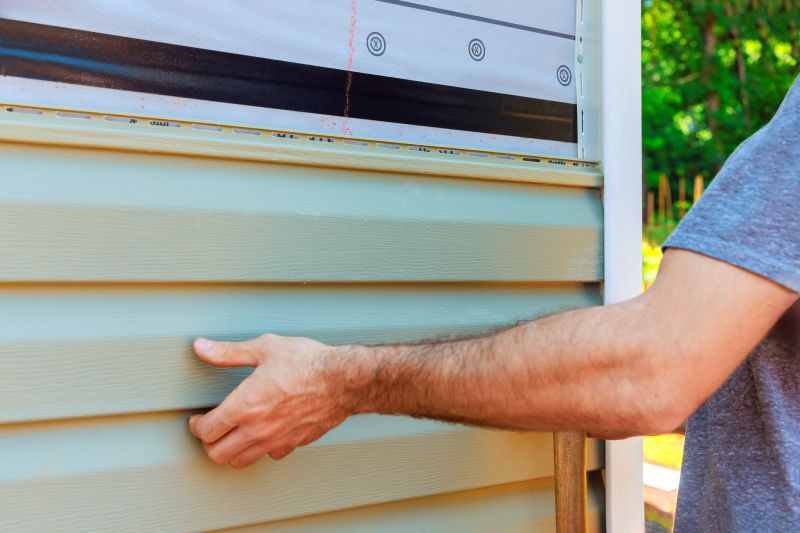
Experienced installers assess the structure, prepare surfaces, and carefully install siding to ensure a seamless finish.
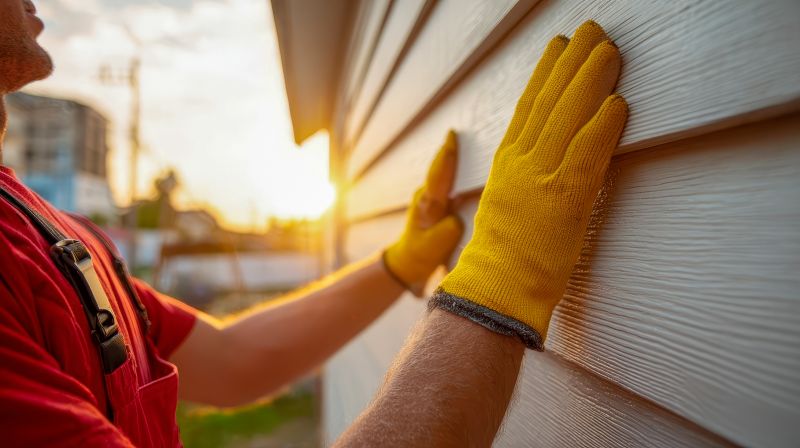
Proper preparation includes removing old siding, inspecting for damage, and ensuring a clean, level surface.
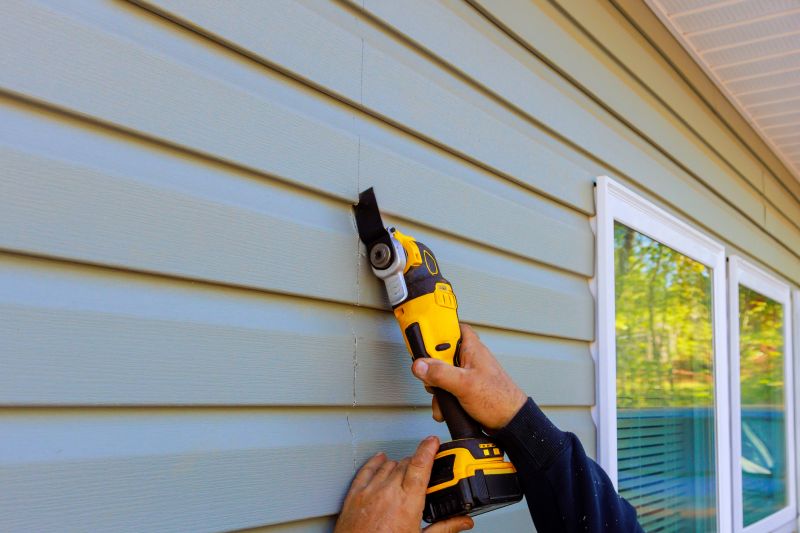
Precise cutting and handling of siding materials are essential for a professional, weather-tight installation.
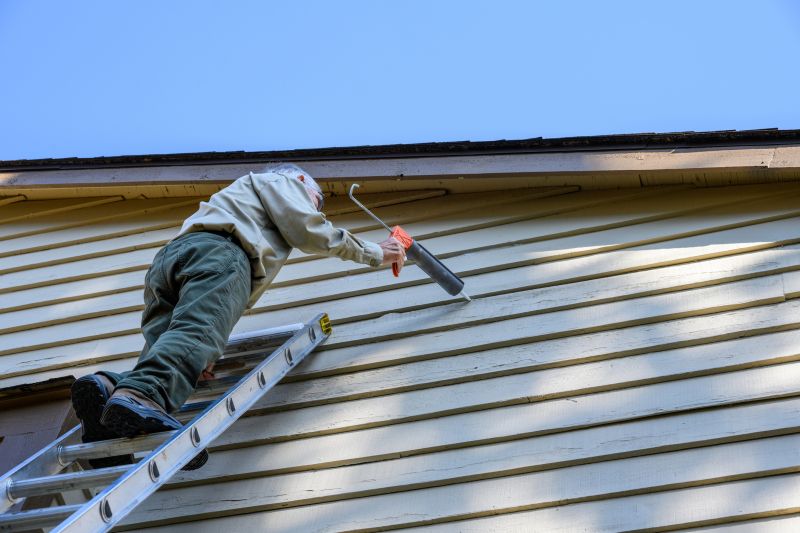
Sealing joints and edges prevents water intrusion, while finishing details enhance visual appeal.
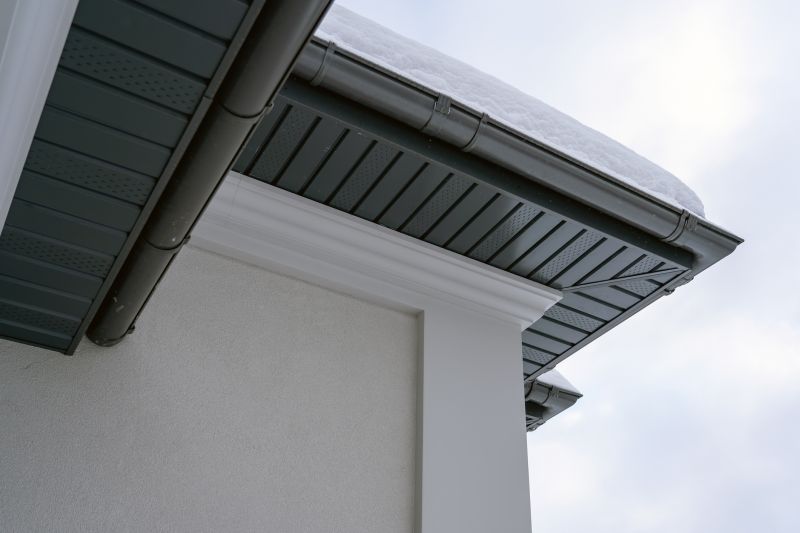
Final inspection ensures siding is installed correctly, with proper alignment and secure fastening.
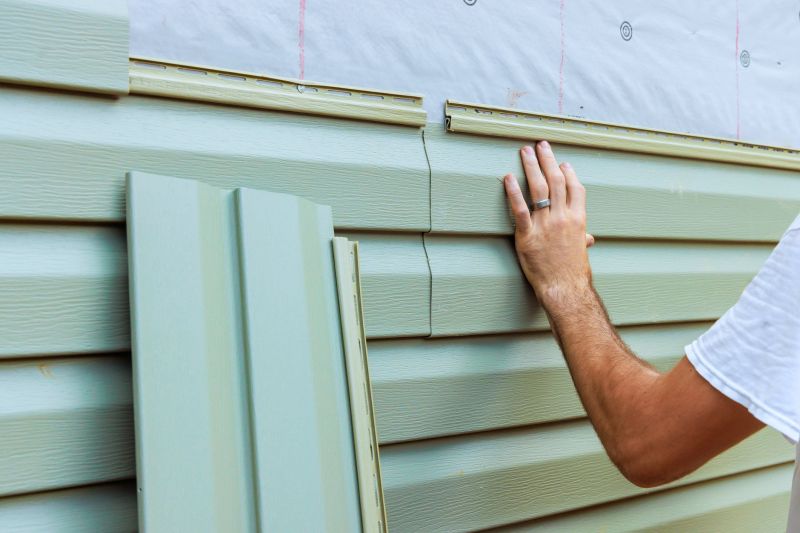
Post-installation cleanup maintains property aesthetics and safety.
A siding installer plays a vital role in ensuring that exterior cladding is properly installed to maximize performance and longevity. Their responsibilities include assessing the building’s surface, selecting appropriate materials, and executing precise installation techniques. Skilled installers understand the nuances of different siding types and can adapt their approach to suit specific architectural and environmental conditions. Attention to detail during installation helps prevent issues like water infiltration, warping, or pest intrusion, ultimately extending the lifespan of the siding. Proper training and experience enable installers to deliver a finished product that meets aesthetic and structural standards. Their expertise ensures that the siding performs as intended, providing protection and curb appeal for years to come.
**Contact today to fill out the form and get a quote for siding installation services.**